
My Petrol Lawnmower has a fault with the gear box
Modified on Wed, 1 Jul at 10:54 AM
If your petrol lawnmower's self-propelled drive has stopped working and you've already confirmed the drive cable and drive belt are correctly fitted and in good condition, the gearbox assembly may have failed.
Common gearbox faults include worn internal gears, damaged bearings, seized components, worn drive shafts, or damaged gearbox pulleys. Replacing the gearbox can restore the self-propel function.
Quick Answer
If your petrol lawnmower's self-propel system is not working but the drive cable and drive belt are both in good condition, the gearbox is likely to be faulty.
Typical signs of a faulty gearbox include:
- Self-propel drive does not engage.
- Grinding or clicking noises from the drive system.
- Rear wheels do not rotate when the drive lever is operated.
- Gearbox feels seized or difficult to turn by hand.
- Visible damage or excessive wear to gearbox components.
Replacing the gearbox is an advanced repair that requires mechanical experience and specialist tools.
Before You Begin
⚠️ Important: Gearbox replacement is considered an advanced repair. Only attempt this repair if you are confident working on petrol garden machinery.
Before starting:
- Switch off the engine and allow it to cool completely.
- Remove the spark plug cap to prevent accidental starting.
- Drain all petrol and engine oil before tipping the mower.
- Work on a clean, stable surface.
- Wear suitable personal protective equipment (PPE), including gloves and eye protection.
- Have replacement circlips available if the originals become damaged during removal.
Recommended tools:
- 13 mm socket or spanner
- Screwdriver
- Circlip pliers
- Long-nose pliers
- Spring puller or suitable hook tool
Steps
Step 1 – Drain the Engine
Drain all fuel and engine oil from the mower.
Remove the air filter assembly if required to improve access.
Step 2 – Position the Mower
Carefully place the mower onto its side or upside down.
Only do this once all fuel and oil have been drained to prevent leaks and engine damage.
Step 3 – Remove the Wheel Covers
Using a suitable screwdriver, remove the plastic wheel covers from both rear wheels.
Step 4 – Remove the Axle Retaining Springs
Detach the retaining springs from both sides of the rear axle assembly.
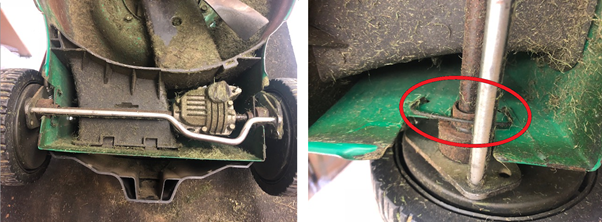
Step 5 – Remove the Rear Wheels
Using a 13 mm socket or spanner:
- Remove both wheel retaining nuts.
- Slide each wheel from the axle.
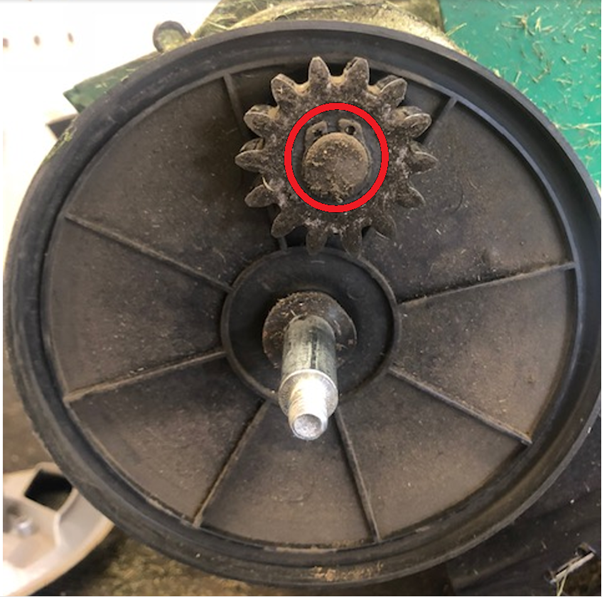
Step 6 – Remove the Drive Gear Components
Using circlip pliers:
- Remove the retaining circlip.
- Remove the drive gear.
- Remove the drive pin.
- Remove any plastic wheel guards fitted to the axle.
Keep all components together for reassembly.
Step 7 – Remove the Gearbox Spring
Carefully remove the gearbox tension spring using pliers or a spring puller.
⚠️ The spring is under tension and may release suddenly if not handled carefully.
Step 8 – Remove the Drive Belt
Remove the drive belt from the gearbox pulley.
Carefully work the belt off the pulley without damaging it if it is being reused.
Step 9 – Remove the Gearbox Assembly
Lift the gearbox and axle assembly from the mower chassis.
Disconnect the drive cable by:
- Compressing the retaining clips with long-nose pliers.
- Pulling the cable free from the gearbox.
The gearbox assembly can now be removed from the mower.
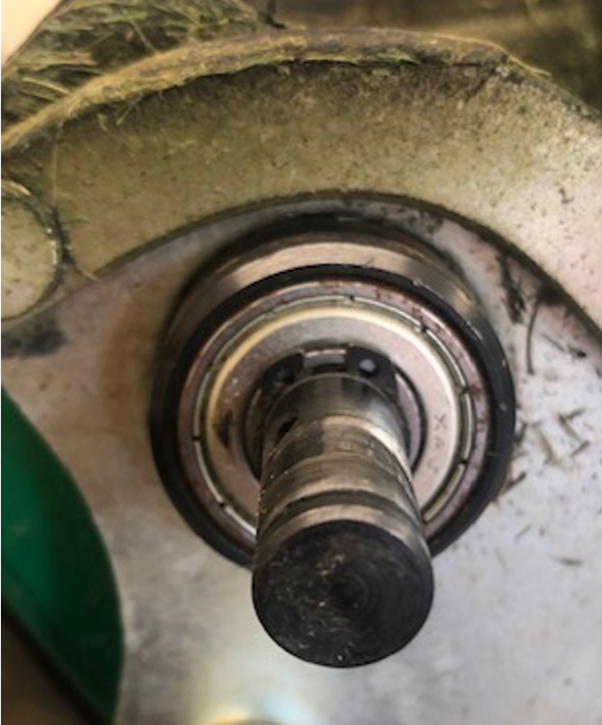
Step 10 – Remove the Gearbox
Using circlip pliers:
- Remove the retaining circlips from both gearbox bushes.
- Remove the gearbox bushes.
- Slide the gearbox off the axle.
The faulty gearbox can now be discarded.
Step 11 – Install the Replacement Gearbox
Fit the new gearbox onto the axle.
Reassemble the mower by reversing the removal procedure.
Before completing the repair, ensure:
- All circlips are fully seated.
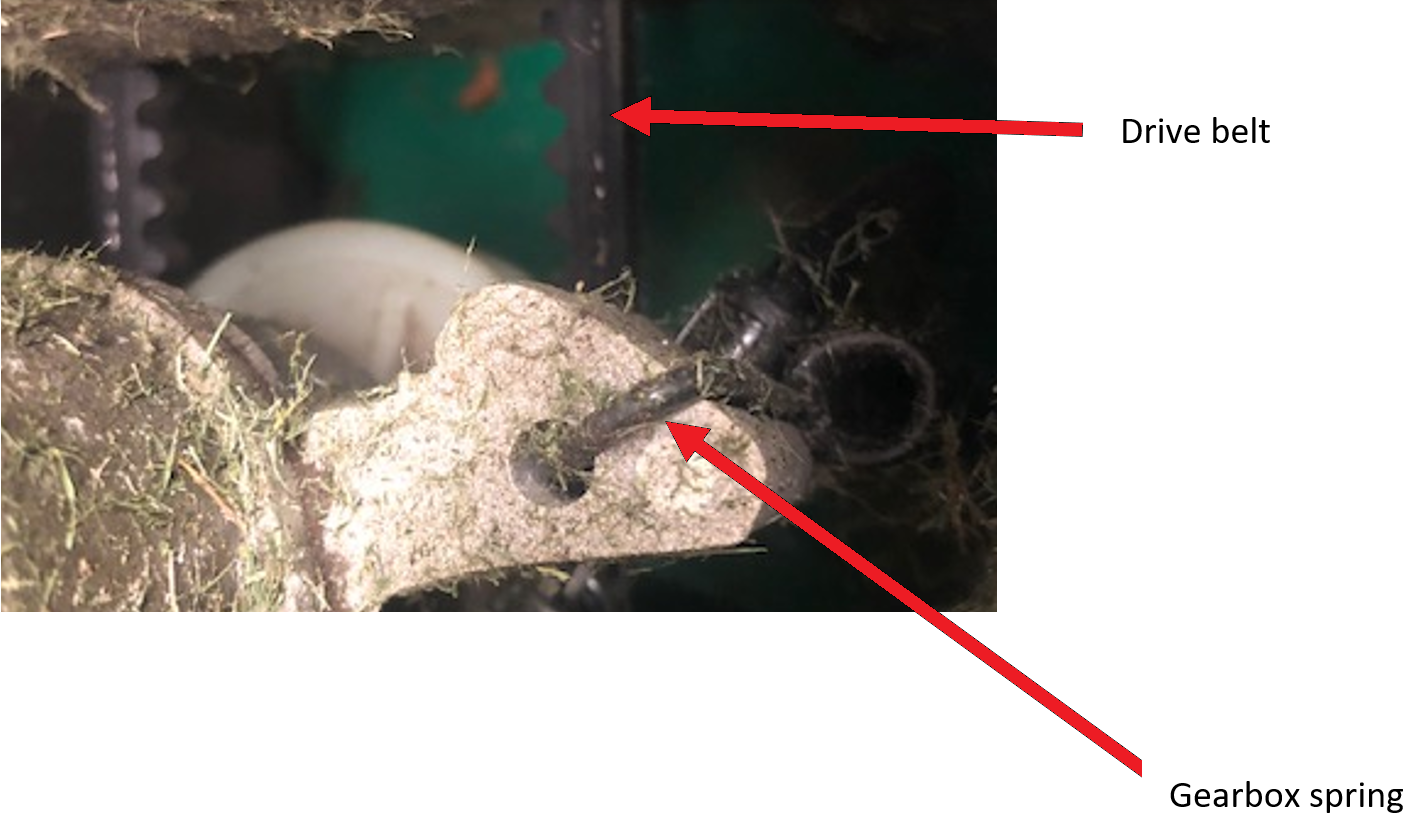
- The drive belt is correctly positioned.
- The gearbox spring is securely attached.
- The drive cable is correctly connected and adjusted.
- Rear wheels and retaining nuts are tightened securely.
Final Checks
Before using the mower:
- Refill with the correct SAE 30 engine oil (or as specified by the manufacturer).
- Refill with fresh unleaded petrol.
- Refit the air filter assembly if it was removed.
- Reconnect the spark plug cap.
- Start the engine.
- Test the self-propel drive in a safe, open area before normal operation.
Frequently Asked Questions
How do I know if my lawnmower gearbox is faulty?
If the self-propel system no longer drives the mower and both the drive belt and drive cable are in good condition, the gearbox is the most likely cause. Worn gears, seized bearings, or damaged shafts commonly cause gearbox failure.
Can I repair a lawnmower gearbox?
Most gearbox assemblies are supplied as sealed units and are replaced rather than repaired. Replacing the complete gearbox is usually the quickest and most reliable solution.
Why has my self-propelled lawnmower stopped driving?
The most common causes are:
- A broken or stretched drive belt.
- A damaged drive cable.
- A worn drive gear.
- A seized or worn gearbox.
- Damaged rear wheel drive mechanisms.
Checking these components in order will help identify the fault.
Can I use the mower if the gearbox has failed?
Yes. On most self-propelled petrol lawnmowers, the mower can still be used by pushing it manually. However, the self-propel function will not operate until the faulty gearbox has been replaced.
Do I need to drain the fuel and oil before replacing the gearbox?
Yes. Always drain the petrol and engine oil before tipping the mower onto its side or upside down. This helps prevent fuel spills, oil leaks, and possible engine damage.
Was this article helpful?
That’s Great!
Thank you for your feedback
Sorry! We couldn't be helpful
Thank you for your feedback
Feedback sent
We appreciate your effort and will try to fix the article