
My Petrol Strimmer/Brush Cutter is not running properly
Modified on Tue, 30 Jun at 3:39 PM
Quick Answer
If your petrol strimmer or brush cutter is difficult to start, runs unevenly, lacks power, or will not start at all, one of the first components to check is the spark plug. A dirty, worn, or faulty spark plug can prevent the engine from running correctly.
This guide explains how to inspect, clean, and test the spark plug before considering further diagnosis.
⚠️ Safety Notice
Before carrying out any maintenance:
- Switch off the engine and allow it to cool completely.
- Remove the spark plug cap to prevent accidental starting.
- Work in a well-ventilated area away from open flames or ignition sources.
- Wear suitable protective gloves and eye protection.
Common Symptoms
A faulty spark plug may cause the following problems:
- Engine difficult to start
- Engine will not start
- Poor idling
- Misfiring or spluttering
- Loss of power
- Engine cutting out during operation
Tools Required
- Spark plug spanner
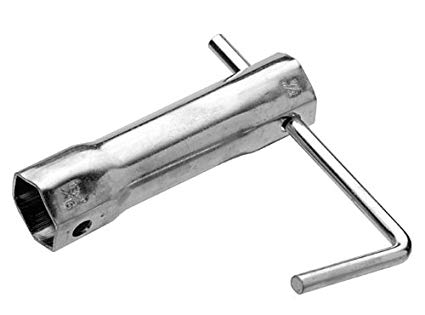
- Wire brush (recommended)
- Clean cloth
- Fresh petrol (for cleaning, if required)
Remove the Spark Plug
- Remove the spark plug cap (high-tension lead) from the spark plug.
- Using a spark plug spanner, turn the spark plug anti-clockwise until it can be removed.
- Some resistance is normal, particularly if the spark plug has not been removed previously.
Inspect the Spark Plug
Examine the spark plug for signs of:
- Carbon build-up
- Dirt or oil deposits
- Damaged electrode
- Cracked ceramic insulator
- Excessive wear
A dirty or damaged spark plug may produce a weak spark or prevent the engine from starting altogether.
Cleaning the Spark Plug
If the spark plug is dirty but otherwise undamaged:
- Clean the electrode using a wire brush.
- Alternatively, wipe the spark plug with a clean cloth lightly dampened with petrol.
- Allow the spark plug to dry completely before testing or refitting.
Test the Spark Plug for a Spark
Tip: This test is easier and safer with two people.
- Reconnect the spark plug to the spark plug cap.
- Hold the threaded metal body of the spark plug firmly against a clean, unpainted metal part of the engine to create an earth connection.
- Ensure the Start/Stop switch is in the START position.
- Move to a shaded area where the spark is easier to see.
- Pull the starter cord firmly while observing the tip of the spark plug.
Results
- White or blue spark visible – The spark plug is producing a spark and is likely functioning correctly.
- No spark visible – The spark plug may be faulty, or there may be a fault with the ignition system.
⚠️ Warning: Hold the spark plug using insulated materials where possible and keep hands clear of the electrode to avoid electric shock.
Test with a Different Spark Plug
If you have access to a known working spark plug:
- Connect the replacement spark plug to your machine's spark plug cap.
- Repeat the spark test.
Results
- If the replacement spark plug produces a spark, your original spark plug should be replaced.
- If neither spark plug produces a spark, the fault is likely within the ignition system, such as the ignition coil or associated wiring.
Reinstall the Spark Plug
Once testing is complete:
- Carefully screw the spark plug into the engine by hand to avoid cross-threading.
- Tighten securely using the spark plug spanner.
- Refit the spark plug cap, ensuring it is fully seated.
If the Problem Persists
If the spark plug is working correctly but the engine still runs poorly or will not start, also check:
- The fuel is fresh and mixed to the correct ratio.
- The air filter is clean.
- The fuel filter is not blocked.
- The primer bulb is operating correctly.
- The fuel lines are free from leaks or damage.
If the issue continues after completing these checks, please contact our Technical Support Team for further assistance.
Frequently Asked Questions
Can a dirty spark plug stop my strimmer from starting?
Yes. Carbon deposits or contamination can weaken the spark and prevent the fuel mixture from igniting.
What colour should the spark be?
A healthy spark is usually white or blue and clearly visible in a shaded area.
Can I clean a spark plug instead of replacing it?
If the spark plug is only dirty, it can often be cleaned and reused. However, if it is worn, cracked, or damaged, it should be replaced.
Why is there no spark even with a new spark plug?
If a known working spark plug also fails to produce a spark, the fault may lie with the ignition coil, ignition wiring, or stop switch.
How often should I inspect the spark plug?
The spark plug should be inspected regularly as part of routine maintenance and whenever starting or running problems occur.
Was this article helpful?
That’s Great!
Thank you for your feedback
Sorry! We couldn't be helpful
Thank you for your feedback
Feedback sent
We appreciate your effort and will try to fix the article