
Compressor
Compressor
Corded Electrical Compressor Product

Safety Precautions when using your 50L Compressor
Quick Answer
Before using your 50L air compressor, ensure you have read the user manual and understand all safety precautions. Always operate the compressor in a well-ventilated area, wear the correct personal protective equipment (PPE), and inspect the machine for signs of damage before use.
Important: Air compressors operate under high pressure. Incorrect use can result in serious injury, equipment damage, or fire.
Before You Begin
Before operating the compressor:
- Read and understand the user manual.
- Inspect the compressor for signs of damage.
- Ensure all hoses and fittings are securely connected.
- Operate the compressor on a stable, level surface.
- Keep children and bystanders away from the work area.
Proper Use
The 50L air compressor is designed solely to produce compressed air for powering compatible pneumatic tools and accessories.
Do not use the compressor for any purpose other than its intended application.
Important: Using the compressor for unsuitable applications may damage the machine and could invalidate your warranty.
Preventing the Risk of Explosion
To reduce the risk of fire or explosion:
- Only use the compressor in a well-ventilated area.
- Never use the compressor near flammable liquids, gases, vapours or combustible dust.
- Keep the surrounding area free from petrol, solvents and other flammable materials.
- Do not smoke near the compressor.
- Never use naked flames or create sparks near the machine.
- Do not spray water directly onto the compressor.
Operating Temperature
Operate the compressor only when the ambient temperature is between:
- +5°C and +40°C outdoors.
- Up to +25°C in enclosed working environments.
Using the compressor outside these temperature ranges may affect performance or damage the motor.
Wear the Correct Personal Protective Equipment (PPE)
Always wear appropriate safety equipment when operating the compressor.
We recommend:
- Safety goggles or eye protection.
- Protective work gloves.
- Sturdy, close-fitting clothing.
- Hearing protection such as ear defenders or ear muffs.
If you are using the compressor for spray painting, you should also wear:
- A suitable respiratory mask approved for paint spraying.
Preventing Injury
Before and during use:
- Never disconnect air hoses or fittings while the system is pressurised.
- Inspect the compressor for damage, rust, cracks, dents or modifications before every use.
- Replace damaged hoses immediately—never attempt to repair worn or damaged air lines.
- Only use air hoses that are suitable for the compressor's maximum operating pressure.
- If operating at 7 bar or above, use a compressed air hose fitted with a safety coupling.
- Always release the air pressure from the tank before transporting the compressor.
- After use, switch the pressure switch to the OFF (0) position.
Hot Surface Warning
Some parts of the compressor become extremely hot during operation.
Allow the compressor to cool before touching:
- The pump.
- The cylinder head.
- Metal pipework.
- The motor housing.
Warning: Contact with hot surfaces may result in burns.
Before Storing the Compressor
When you have finished using the compressor:
- Switch the machine off.
- Disconnect it from the mains power supply.
- Fully depressurise the air tank.
- Store the compressor in a clean, dry location.
- Keep it out of reach of children.
Frequently Asked Questions
Can I use my compressor indoors?
Yes, but only in a well-ventilated area with adequate airflow. Never operate the compressor in enclosed spaces containing flammable vapours or dust.
Why do I need to depressurise the tank before transporting it?
A pressurised tank can be dangerous if damaged during transport. Always release the air pressure before moving the compressor.
What PPE should I wear?
At a minimum, wear safety goggles, gloves, sturdy clothing and hearing protection. Wear a suitable respirator if carrying out spray painting.
Can I repair a damaged air hose?
No. Damaged or worn compressed air hoses should always be replaced, not repaired.
Why does my compressor get hot?
It is normal for components such as the pump and cylinder head to become hot during use. Allow the machine to cool before touching these parts or carrying out maintenance.
How do I prepare and set up my 50L Compressor
Quick Answer
Before using your 50L air compressor for the first time, check the oil level, ensure all components are correctly assembled, place the compressor on a stable surface, and verify the electrical supply is suitable. Completing these checks will help ensure safe and reliable operation.
Tip: Always keep the compressor upright during transport and use to prevent oil leakage.
Before You Begin
Before connecting your compressor to the mains power supply:
- Read and understand the user manual.
- Check that all supplied components have been fitted correctly.
- Place the compressor on a flat, stable surface.
- Ensure the surrounding area is clean, dry and well ventilated.
Important: Never operate the compressor without the correct oil level or with missing components.
1. Check the Oil Level
Before every use:
- Keep the compressor in an upright position.
- Check that the compressor contains sufficient oil (the compressor is supplied pre-filled with oil).
- Ensure the oil level is within the recommended range shown on the oil sight glass or dipstick (depending on model).
If this is the first time using the compressor:
- Remove the transport cap from the oil fill opening.
- Install the supplied oil filler plug.
- Tighten the plug securely.
2. Assemble and Inspect the Compressor
Before switching the compressor on, check that:
- The wheels are securely fitted.
- The support feet are correctly installed.
- Both air filters are fitted and securely tightened.
- All supplied components have been assembled correctly.
- No parts are loose or damaged.
Refer to your user manual for the complete parts list if required.
3. Position the Compressor Correctly
For safe operation:
- Place the compressor on a firm, level surface.
- Ensure it cannot move during operation.
- Do not position it near the edge of a bench or platform.
- Leave at least 1 metre of clearance around the compressor, particularly from walls or other objects.
- Make sure all cooling vents and air openings remain unobstructed.
Operate the compressor only in:
- A dry environment.
- A clean, dust-free area where possible.
- A well-ventilated location.
Important: Never operate the compressor in wet conditions.
4. Check the Electrical Supply
Before plugging the compressor in:
- Avoid using long extension leads or cable reels wherever possible.
- Connect the compressor to a suitable mains power supply.
- Use a Residual Current Device (RCD) with a maximum trip current of 30 mA for additional protection against electric shock.
When the compressor starts, you may notice a brief voltage drop. This is normal and may cause nearby lights to flicker, particularly where the mains supply quality is poor.
You're Ready to Start
Once you have completed all of the checks above, your compressor is ready to use.
Proceed to the next guide:
How to Start Your 50L Air Compressor
Frequently Asked Questions
Does my compressor already contain oil?
Yes. The compressor is supplied with oil, but you should always check the oil level before first use and before each subsequent use.
Why must the compressor remain upright?
Keeping the compressor upright prevents engine oil from leaking into areas where it should not be and helps avoid damage during transport and operation.
Can I use an extension lead?
Where possible, avoid using long extension leads or cable reels as they can reduce performance. If one is required, ensure it is fully unwound and suitable for the compressor's power requirements.
Why should I use an RCD?
An RCD provides additional protection against electric shock by disconnecting the power supply if a fault is detected.
How much space should I leave around the compressor?
Leave at least 1 metre of clear space around the compressor to allow adequate ventilation and cooling.
How do I start my 50L Compressor
Quick Answer
To start your 50L air compressor, ensure it is correctly assembled, the oil level is correct, the drain valve is closed, and it is connected to a suitable mains power supply. Once your air tool is connected, switch the compressor to the ON (1) position and adjust the output pressure to suit your pneumatic tool.
Tip: Always complete the preparation checks before starting the compressor to ensure safe and reliable operation.
Before You Begin
Before switching the compressor on:
- Read and understand the user manual.
- Ensure the compressor is positioned on a flat, stable surface.
- Check the oil level.
- Make sure all fittings and air filters are securely installed.
- Confirm the compressor is connected to a suitable electrical supply.
Important: Never operate the compressor without oil or with damaged components.
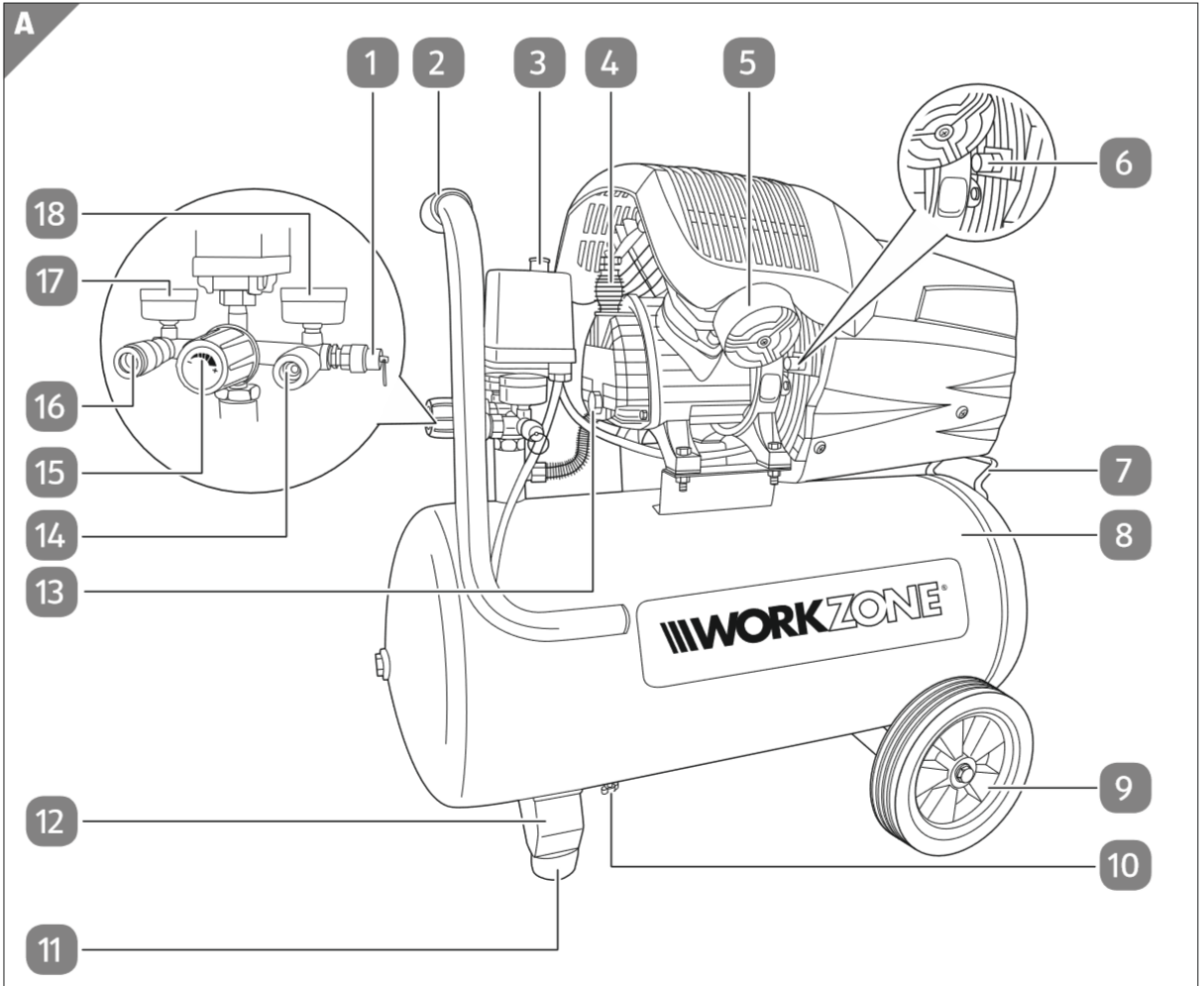
How to Start the Compressor
1. Check the Power Supply
Ensure the mains voltage matches the voltage shown on the compressor's rating plate.
The supply voltage should not vary by more than ±5%.
2. Check the On/Off Switch
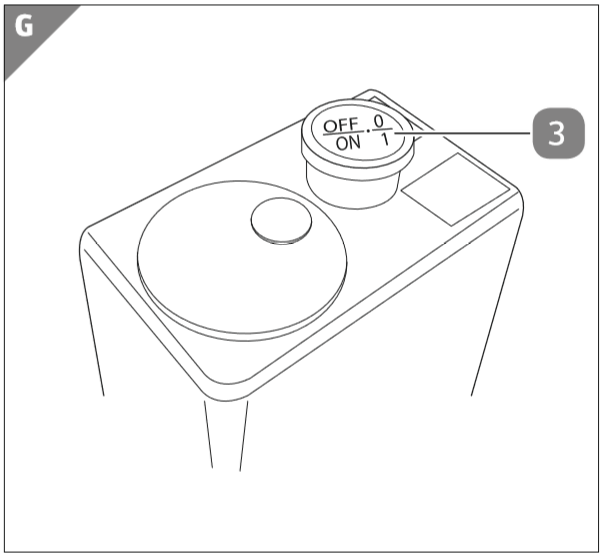
Before plugging the compressor in, ensure the On/Off Switch (3) is set to:
OFF (0)
3. Close the Drain Valve
Ensure the condensed water Drain Cock (10) is fully closed before starting the compressor.
Leaving the drain valve open will prevent the air tank from building pressure.
4. Check the Oil Level
Inspect the oil level using the viewing window or oil sight glass.
If necessary, top up with the recommended compressor oil before starting.
5. Connect the Compressor to the Mains
Plug the compressor into a properly earthed mains socket.
Avoid using long extension leads or cable reels where possible.
6. Connect Your Pneumatic Tool
Attach your pneumatic tool to one of the quick couplings.
Push the connector firmly into the coupling until it clicks into place.
The compressor features two air outlets:
- Left Quick Coupling – Adjustable regulated air pressure.
- Right Quick Coupling – Full tank pressure (non-adjustable).
7. Start the Compressor
Pull the On/Off Switch (3) upwards slightly until it clicks into the:
ON (1) position.
The compressor will begin filling the air tank.
8. Adjust the Air Pressure
Turn the Pressure Regulator (15) to adjust the regulated air pressure.
- Turn clockwise to increase the pressure.
- Turn anticlockwise to decrease the pressure.
The regulated output pressure is shown on the Control Pressure Gauge (17).
9. Monitor the Tank Pressure
The pressure inside the air tank is displayed on the Tank Pressure Gauge (18).
This pressure is automatically controlled by the compressor and cannot be manually adjusted.
How to Switch the Compressor Off
When you have finished using the compressor:
- Push the On/Off Switch down to the OFF (0) position.
- Disconnect the mains plug from the electrical socket.
- Release the remaining air pressure through the connected pneumatic tool.
- Disconnect the pneumatic tool by pulling back the quick coupling sleeve.
- Allow the compressor to cool completely.
- Clean the compressor before storing it.
Tip: Regular cleaning helps extend the life of your compressor.
Frequently Asked Questions
Why won't my compressor build pressure?
Check that the drain cock is fully closed, all air hose connections are secure, and there are no air leaks.
Which quick coupling should I use?
Use the left quick coupling if your pneumatic tool requires adjustable air pressure. Use the right quick coupling if full tank pressure is required.
Why do I need to release the air pressure after use?
Releasing the remaining air pressure helps protect the pneumatic system and makes it safer to disconnect air tools.
Can I adjust the tank pressure?
No. The tank pressure is automatically controlled by the compressor. Only the regulated outlet pressure can be adjusted using the pressure regulator.
Should I unplug the compressor after use?
Yes. Always switch the compressor off, unplug it from the mains supply, release any remaining air pressure, and allow it to cool before storing.
How do I check the power cable for damage or incorrect set-up
Quick Answer
If your electric garden machine is not receiving power, first check that the power cable is securely plugged into a working mains socket and inspect the cable for any signs of damage. If the cable is damaged, do not use the machine.
Important: Never use a machine with a damaged power cable, as this presents a serious risk of electric shock.
Before You Begin
For your safety:
- Switch the machine off.
- Disconnect it from the mains power supply.
- Allow the machine to cool if it has recently been in use.
- Never inspect a power cable while it is connected to the mains.
1. Check the Power Connection
Ensure that:
- The power cable is fully inserted into the machine (if applicable).
- The mains plug is securely connected to the wall socket.
- The socket is switched on.
- The socket is supplying power by testing it with another electrical appliance.
If you are using an extension lead, ensure it is fully unwound, correctly rated for outdoor use, and securely connected.
[Insert image of correctly connected power cable]
2. Inspect the Power Cable
Carefully inspect the entire length of the power cable.
Look for:
- Cuts or splits in the outer insulation.
- Crushed or flattened sections.
- Exposed internal wires.
- Burn marks.
- Loose or damaged plugs.
- Signs that the cable has been cut during use.
If you find any damage, stop using the machine immediately.
[Insert image of damaged power cable]
3. What to Do If the Cable Is Damaged
If the power cable is damaged:
- Do not attempt to repair it using tape or temporary connectors.
- Do not continue using the machine.
The power cable must be replaced by:
- A qualified service technician, or
- An authorised repair centre.
Important: Replacement power cables are not supplied separately by the manufacturer.
Warranty Information
Damage caused by accidentally cutting through the power cable is considered accidental or user damage and is not covered under the manufacturer's warranty.
Always ensure the power cable is positioned safely away from the cutting area before operating the machine.
My Machine Still Has No Power
If the power cable appears undamaged and the machine still does not operate:
- Test the mains socket with another appliance.
- Check any extension lead being used.
- Ensure any safety switches or overload protection devices have not been activated.
- Refer to the relevant troubleshooting guide for your specific product.
If the problem continues, please contact our Customer Support team for further assistance.
Frequently Asked Questions
Can I use my machine if the power cable has a small cut?
No. Even minor damage can expose live electrical components and create a serious safety hazard. Stop using the machine immediately.
Can I replace the power cable myself?
No. The power cable should only be replaced by a qualified technician or authorised repair centre.
Can I buy a replacement power cable?
No. The manufacturer does not supply replacement power cables for this machine.
Is a cut power cable covered under warranty?
No. Accidentally cutting through the power cable is considered user damage and is not covered under the manufacturer's warranty.
What should I do if my machine still won't turn on after checking the cable?
Check the power supply, extension lead (if used), and any safety or overload protection features. If the issue remains unresolved, contact our Customer Support team.
My 50L Compressor is having pressure issues
Quick Answer
If your 50L air compressor is experiencing pressure problems, the most common causes are air leaks, a loose drain cock, worn seals or gaskets, an incorrectly adjusted pressure regulator, or a faulty quick coupling. This guide will help you identify the issue and determine the appropriate next steps.
Tip: Always disconnect the compressor from the mains power supply and release any air pressure before inspecting hoses, fittings or seals.
Before You Begin
For your safety:
- Switch the compressor off.
- Disconnect it from the mains power supply.
- Fully depressurise the air tank.
- Allow the compressor to cool before carrying out any inspections.
Problem 1: The Compressor Is Not Building Pressure
If the compressor runs but the tank pressure does not increase, there may be an air leak within the system.
Check the Gaskets and Seals
Inspect all accessible seals and gaskets for:
- Cracks.
- Splits.
- Wear.
- Damage.
- Poor seating.
A damaged gasket can allow compressed air to escape, preventing the tank from reaching full pressure.
Replace any damaged seals before using the compressor again.
Check the Drain Cock
Ensure the condensed water drain cock underneath the air tank is fully closed.
If the drain cock is loose or partially open, compressed air will escape continuously.
Tighten the drain cock securely before restarting the compressor.
Problem 2: The Tank Builds Pressure but the Air Tool Doesn't Work
If the tank pressure gauge shows pressure but your pneumatic tool is not operating, check the following.
Check the Air Hose
Inspect the air hose and fittings for leaks.
A simple way to locate leaks is to:
- Mix a small amount of washing-up liquid with water.
- Apply the solution to the hose connections.
- Watch for bubbles forming while the system is pressurised.
Bubbles indicate escaping air.
Replace any leaking hoses or fittings.
Important: Never use damaged pneumatic hoses.
Inspect the Quick Coupling
Check that:
- The quick coupling locks securely onto the air tool.
- There are no audible air leaks around the coupling.
- The coupling is free from damage.
If the quick coupling is leaking, it should be replaced.
Check the Pressure Regulator
Ensure the pressure regulator is set high enough for the connected pneumatic tool.
To increase the regulated pressure:
- Turn the pressure regulator clockwise.
If the pressure is set too low, the air tool may not operate correctly.
Problem 3: The Compressor Does Not Stop Running
Normally, the compressor automatically switches off once the maximum tank pressure has been reached.
If the compressor continues running and the safety valve begins releasing air, this may indicate an internal fault.
Unfortunately, there are no user-serviceable adjustments for this condition.
Important: Stop using the compressor and disconnect it from the power supply.
Please contact our Customer Support team for further assistance.
My Compressor Is Still Having Pressure Problems
If the issue remains after completing the checks above:
- Check all hose connections.
- Ensure the drain cock is fully closed.
- Inspect the pressure regulator.
- Replace any leaking seals or quick couplings.
- Listen for escaping air around the compressor.
If you are unable to identify the cause, please contact our Customer Support team for further assistance.
Frequently Asked Questions
Why won't my compressor build pressure?
The most common causes are air leaks, a loose drain cock, or damaged seals or gaskets allowing compressed air to escape.
Why is there pressure in the tank but my air tool won't work?
Check the pressure regulator setting, air hose, quick coupling and hose connections for leaks or blockages.
How can I find an air leak?
Apply a mixture of soapy water to hose connections and fittings while the system is pressurised. Escaping air will create bubbles.
Why won't my compressor switch off?
If the compressor continues running after reaching maximum pressure and the safety valve releases air, the pressure control system may be faulty. Stop using the compressor and contact Customer Support.
Can I repair leaking seals myself?
Damaged seals and gaskets can usually be replaced if suitable replacement parts are available. If you are unsure, contact our Customer Support team before carrying out repairs.
How do I add or change the oil on my 50L Compressor
Quick Answer
Regularly checking and changing the oil in your 50L air compressor helps maintain performance and extend the life of the machine. Always ensure the oil level is between the MIN and MAX marks and use the recommended Synthetic SAE 10W40 compressor oil.
Tip: Check the oil level before every use and carry out a full oil change after the first 100 operating hours, and then every 100 hours or 6 months, whichever comes first.
Before You Begin
For your safety:
- Switch the compressor OFF (0).
- Disconnect the mains plug.
- Allow the compressor to cool completely.
- Release all compressed air from the tank.
- Keep the compressor upright throughout the procedure.
Important: Operating the compressor with too little or too much oil can cause serious engine damage.
Oil Specification
Use only the recommended oil:
- Synthetic SAE 10W40
- Suitable for operating temperatures between +5°C and +40°C
Synthetic oil provides consistent lubrication across a wide range of operating temperatures.
Important: Do not mix different oil grades or types.
Checking the Oil Level
Check the oil level before every use.
- Place the compressor on a level surface.
- Locate the oil viewing window (sight glass).
- Check that the oil level is between the MIN and MAX marks.
If the oil level is below the minimum mark, add oil before operating the compressor.
If the oil level is above the maximum mark, drain the excess oil.
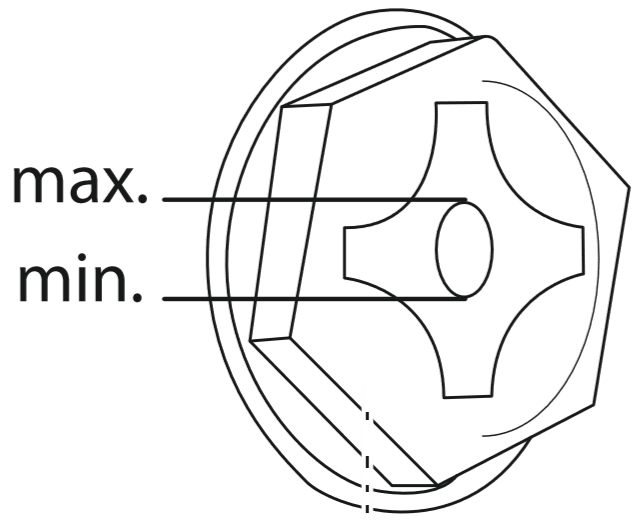
How to Drain the Oil
A complete oil change should be carried out:
- After the first 100 operating hours.
- Every 100 operating hours or 6 months thereafter.
Step 1
Switch the compressor OFF (0).
Disconnect the mains plug.
Allow the compressor to cool completely.
Release all compressed air from the tank.
Step 2
Place a suitable container underneath the oil drain plug to collect the used oil.
Important: Used oil must never be poured down drains or disposed of with household waste.
Dispose of used oil responsibly in accordance with your local hazardous waste regulations.
Step 3
Using an AF24 open-ended spanner (not supplied):
- Loosen the oil drain plug.
- Remove the plug carefully.
If required, tilt the compressor slightly to allow all of the oil to drain completely.
Step 4
Once all the oil has drained:
- Refit the oil drain plug.
- Tighten it securely using the spanner.
You are now ready to refill the compressor with fresh oil.
How to Add Oil
Step 1
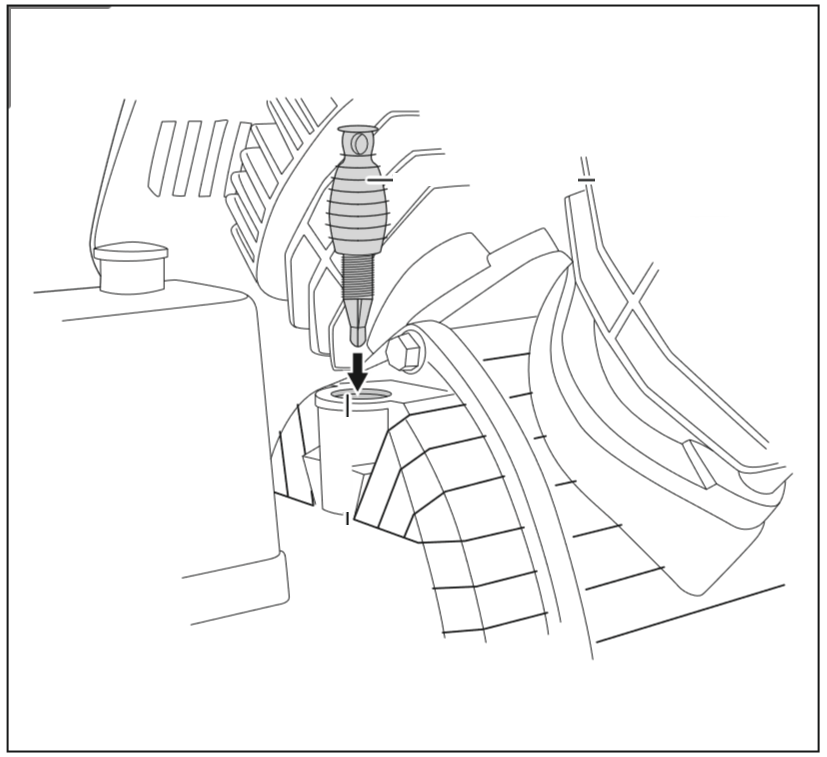
Unscrew the oil filler plug by turning it anticlockwise.
[Insert image of oil filler plug]
Step 2
Slowly pour Synthetic SAE 10W40 oil into the oil fill opening.
Fill until the oil reaches a level between the MIN and MAX marks on the sight glass.
Do not overfill.
Step 3
Refit the oil filler plug by turning it clockwise until secure.
Wipe away any spilled oil before operating the compressor.
Important Maintenance Tips
- Check the oil level before every use.
- Always use Synthetic SAE 10W40 oil.
- Never operate the compressor with low oil.
- Never overfill the crankcase.
- Dispose of used oil responsibly through an authorised recycling or hazardous waste facility.
Frequently Asked Questions
What type of oil should I use?
Use Synthetic SAE 10W40 compressor oil unless otherwise stated in your user manual.
How often should I change the oil?
Carry out the first oil change after 100 operating hours, then every 100 hours of operation or every 6 months, whichever occurs first.
Can I overfill the compressor with oil?
Yes. Too much oil can cause poor performance and may damage internal components. Always keep the oil level between the MIN and MAX marks.
Can I use engine oil instead of compressor oil?
Only use the oil grade recommended by the manufacturer. Using unsuitable oil may reduce performance and damage the compressor.
How should I dispose of used oil?
Used oil is classed as hazardous waste and should be taken to an approved recycling or waste disposal facility. Never pour used oil into drains or onto the ground.
View Article